








Kazakhstan is witnessing a renewed wave of investment into its energy sector as government reforms and infrastructure upgrades attract international capital back to Central Asia’s largest economy.
The country has announced a $2.3bn investment programme aimed at modernising energy infrastructure, expanding renewable generation capacity and improving transmission networks. Officials say the initiative is designed to strengthen energy security while supporting long-term economic growth.
Foreign investors have responded positively to recent regulatory changes that simplify project approvals and increase transparency in the energy market. Several European and Asian investment groups have reportedly expressed interest in participating in upcoming infrastructure projects.
Energy reforms driving investor confidence
Kazakhstan’s Ministry of Energy has introduced a series of reforms intended to encourage private-sector participation and accelerate the transition towards a more diversified energy mix. The measures include incentives for renewable energy projects, upgrades to grid infrastructure and support for public-private partnerships.
Analysts note that the reforms arrive at a critical time as regional economies seek to reduce dependency on ageing infrastructure and improve resilience against global energy market volatility.
“Kazakhstan is positioning itself as a regional energy hub by combining regulatory reform with targeted infrastructure investment,” said a regional energy analyst.
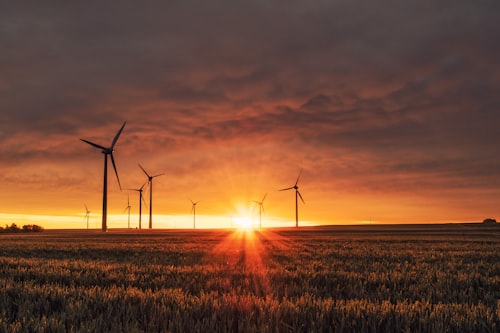
The government expects a significant portion of the investment programme to be directed towards solar and wind developments, particularly in regions with strong renewable resource potential. Additional funding will support modernisation of existing power generation facilities and expansion of transmission capacity.
Regional implications
The investment programme is expected to have broader implications for neighbouring Central Asian countries. Improved infrastructure could facilitate greater regional energy cooperation and strengthen cross-border electricity trade.
Market observers believe Kazakhstan’s efforts may encourage similar reforms elsewhere in Central Asia, particularly as governments compete to attract foreign investment and accelerate economic diversification initiatives.
Despite ongoing global economic uncertainty, the country’s energy sector remains one of the most attractive destinations for long-term infrastructure capital in the region. Industry experts expect additional investment announcements in the coming months as several large-scale projects move into the planning phase.
If implemented successfully, the programme could significantly reshape the regional energy landscape and reinforce Kazakhstan’s role as a key economic and energy centre within Central Asia.