











For more than a decade, China’s infrastructure financing across Africa has been portrayed by critics as a deliberate strategy designed to trap governments in unsustainable debt. However, a growing body of research suggests the reality is considerably more complex.
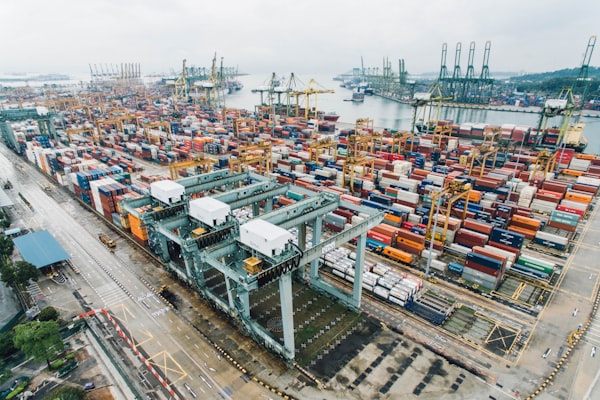
Chinese lenders have financed hundreds of infrastructure projects across Sub-Saharan Africa, including ports, railways, highways, power stations and telecommunications networks. While some projects have struggled financially, analysts argue that the broader narrative of a coordinated “debt trap diplomacy” strategy is not supported by available evidence.
The origins of the debt trap narrative
The concept gained prominence during the rapid expansion of China’s Belt and Road Initiative, as governments across Africa sought external financing for long-delayed infrastructure projects. Concerns emerged that excessive borrowing could leave countries vulnerable to economic pressure.
Yet multiple studies have found that debt distress in African economies is typically linked to a combination of factors including commodity price shocks, domestic fiscal management challenges, currency depreciation and borrowing from multiple international sources.
“The data simply does not support the claim that Chinese lending alone is responsible for Africa’s debt challenges,” said one development finance researcher.
Infrastructure outcomes
Supporters of Chinese financing point to significant improvements in transport and energy infrastructure throughout the continent. New railway corridors, port expansions and power generation projects have improved connectivity and reduced logistical bottlenecks in several economies.
Governments argue that these investments have delivered long-term economic benefits that would have been difficult to achieve through domestic financing alone.
A changing financial landscape
Chinese lending to Africa has slowed in recent years as both lenders and borrowers adopt more cautious approaches to project financing. At the same time, African governments are increasingly diversifying their funding sources and exploring partnerships with multilateral institutions and private investors.
While concerns about debt sustainability remain valid, analysts suggest the debate is gradually shifting from simplistic narratives toward a more balanced assessment of infrastructure financing, project quality and long-term economic returns.
The experience of the past decade highlights the need for careful project selection, transparent financing structures and stronger governance rather than broad assumptions about any single source of external capital.